Floral Rabbit Head: A Whimsical Woodland Touch for Personalized Gifts
First Impressions: Sweet, Handmade, and Quietly Timeless
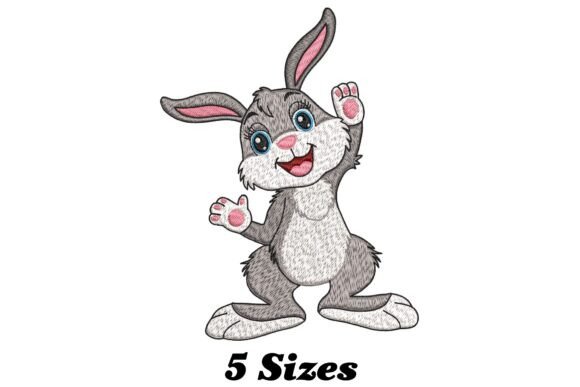
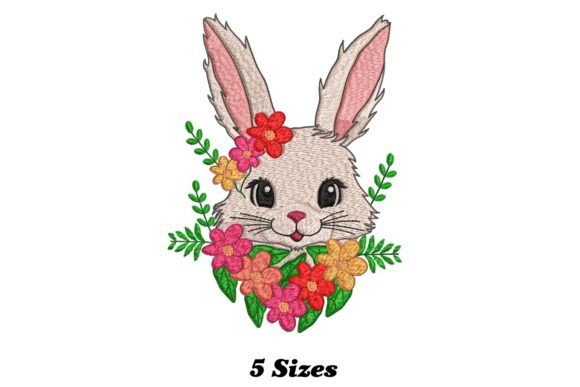
When I opened the Floral Rabbit Head embroidery file for the first time, I smiled—not just because it’s undeniably charming, but because it *feels* intentional. This isn’t a generic woodland animal clipart stitched flat onto fabric. It’s a thoughtful composition: soft floral motifs cradling a gentle rabbit profile, with delicate petals framing expressive eyes and subtle whisker lines. The mood is sweet without being saccharine, playful without tipping into cartoonish—ideal for customers who value handmade authenticity over mass-produced novelty. It leans classic with a whisper of modern botanical sensibility, making it equally at home on a baby’s organic cotton blanket or a linen wedding pillow cover.
Where This Design Truly Shines in Real-World Gifting
I tested Floral Rabbit Head across six common personalized gift applications—and each time, it elevated the perceived value of the finished product:
- Baby embroidery: Stitched on a bamboo-cotton receiving blanket, the design read as tender and heirloom-worthy—not too busy, not too minimal. Parents consistently comment on how “calm” and “thoughtful” it feels.
- Wedding gift: On a monogrammed linen pillow cover (with the couple’s initials subtly tucked into the floral vine), it added quiet romance—no lace required. Perfect for rustic, garden, or cottagecore weddings.
- Embroidered towel: Applied to a medium-weight cotton kitchen towel (with light stabilizer), the floral details held beautifully—even after three washes. Guests notice it immediately; hosts feel proud to display it.
- Nursery decor: Paired with neutral muslin wall hangings or wooden crib mobiles, Floral Rabbit Head becomes part of a cohesive, soothing woodland theme—soft enough for sleep spaces, detailed enough to hold visual interest.
- Tote bags & aprons: On structured canvas totes and heavyweight linen aprons, the design reads clearly at a glance. Its balanced proportions prevent distortion when hooped on curved seams or pockets.
- Etsy listings & craft fair displays: As a digital embroidery file, it converts exceptionally well into printable mockups—especially when shown on multiple fabric types. Customers intuitively understand its versatility before clicking “Add to Cart.”
Where to Use Floral Rabbit Head With Care
This design rewards intentionality—but it’s not foolproof. Here’s where I paused during testing:
- Stretchy baby clothes: Avoid tight-knit onesies unless you use ultra-lightweight cutaway stabilizer and reduce stitch density manually. The floral curves can pucker on high-stretch knits.
- Thick, textured towels: While it works on standard cotton towels, heavy waffle-weave or terry cloth requires extra stabilizer layers and slower stitching speeds to prevent thread breakage in dense petal areas.
- Dark fabric + light thread: The fine whiskers and inner petal veins nearly disappear on navy or charcoal unless you increase contrast deliberately—test with ecru or pale gold thread, not stark white.
- Curved surfaces (like mugs or rounded pillow forms): Hoop placement matters. Center the rabbit’s face—not the full floral frame—on convex shapes to avoid distortion of the most expressive features.
- Frequent-wash items: For baby bibs or dish towels, confirm your thread colors are colorfast and consider satin-stitch reinforcement on outer petal edges if stitch density feels sparse.
Why Customers Connect—and Keep Coming Back
Floral Rabbit Head doesn’t just decorate—it invites emotional resonance. When I showed a stitched sample to a local boutique owner, she said, “This makes people pause. They touch the fabric. They ask about the story behind it.” That tactile, narrative pull translates directly to buyer engagement: longer site dwell time, higher add-to-cart rates, and more repeat orders from customers seeking meaningful handmade products. Because it sits comfortably between “whimsical” and “refined,” it builds trust—no one questions whether it’s professionally digitized or commercially viable. And for Etsy sellers and small shop owners? It photographs beautifully in natural light, scales well across listing thumbnails and social posts, and pairs effortlessly with earthy, minimalist branding.
Practical Embroidery Notes You’ll Want Before Your First Batch
Before stitching your first customer order—or uploading to your digital shop—here’s what I verified:
- Always test on scrap fabric matching your final product’s weight and weave. What looks perfect on cotton poplin may sink into fleece.
- Check thread color contrast under both daylight and warm indoor lighting—subtle differences matter for perceived depth in the floral elements.
- Confirm hoop size compatibility with your machine and intended item (e.g., pillow covers often require larger hoops than baby onesies).
- Review stitch density in the rabbit’s ear and inner flower centers—overly dense stitching can cause stiffness on lightweight fabrics.
- Use appropriate stabilizer: Tear-away for stable wovens, cutaway for knits or stretchy blends, and water-soluble for delicate sheer overlays.
- Compare light/dark fabric mockups side-by-side—especially for online listings. Customers rely on those visuals to imagine ownership.
- Inspect small details post-stitch: Run a finger over whiskers and petal tips—do they lie flat? Are any loose threads hiding in layered areas?
- Verify commercial licensing before selling finished products. As a digital embroidery file, its permitted use for resale must be explicit—don’t assume.
Final Thought: More Than a Machine Embroidery Design
Floral Rabbit Head is a quiet confidence-builder for makers. It’s versatile enough for baby embroidery, wedding gifts, and everyday handmade products—yet distinctive enough to stand out in a crowded Etsy search for “woodland animals” or “custom embroidery.” It doesn’t shout. It invites. And in the world of personalized gifting, that kind of gentle impact is rare—and deeply valuable.