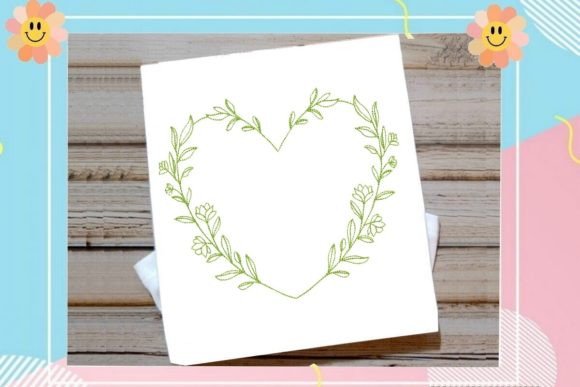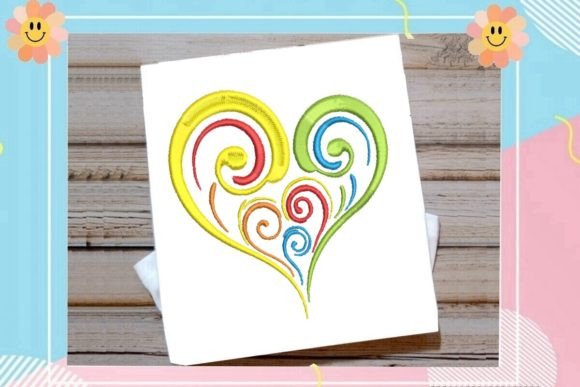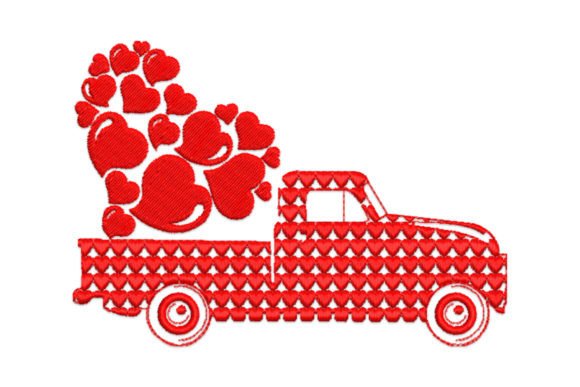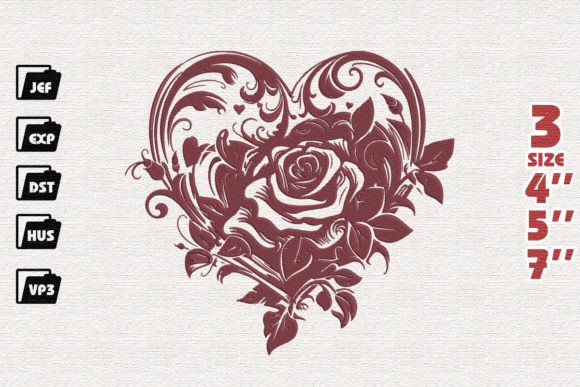
Heart with Rose Embroidery Design
First Impression: Whimsical Charm That Stops Shoppers in Their Tracks
As an embroidery designer who’s prepped over 200 craft fair booths, I’ll say it plainly: Heart with Rose lands exactly where it needs to—sweet without being saccharine, playful without feeling childish, and romantic without leaning into cliché. It reads as “whimsical charm” at first glance—not overly Valentine S Day, not stiffly formal, and definitely not generic. That’s gold for handmade markets. Customers scanning a crowded table don’t pause for vague florals or predictable hearts—they pause for personality. Heart with Rose delivers that quiet confidence: soft curves, balanced negative space, and a rose that feels hand-drawn, not clip-art. It’s the kind of machine embroidery design that whispers “handmade quality” before you even touch the fabric.
Where It Shines: Craft Fair Products That Sell Fast
In my booth setup this season, I tested Heart with Rose across seven core craft fair products—and its standout performers were immediate:
- Tote bag design: Centered on natural canvas or oatmeal linen, it reads cleanly from six feet away. No competing graphics needed—just one well-placed Heart with Rose says “thoughtful, small shop product.”
- Apron embroidery: Positioned just above the pocket (not too high, not too low), it adds warmth without overwhelming utility. Works especially well on denim, chambray, and unbleached cotton.
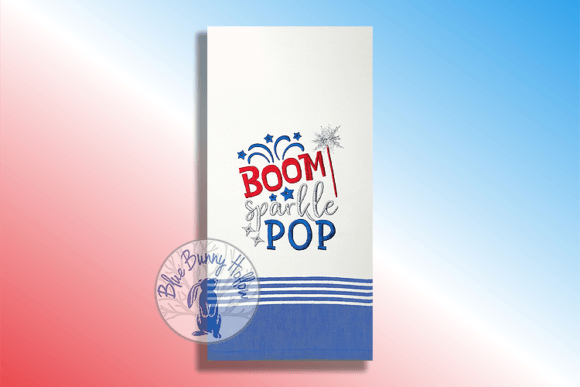
- Tea towel embroidery: On tightly woven flour-sack towels, the design holds crisp detail—even at 3.5" wide. The rose’s subtle petal layering reads beautifully under kitchen lighting.
- Embroidered patch: When stitched onto twill or felt backing, Heart with Rose becomes a versatile, no-hoop add-on for jackets, bags, or kids’ backpacks. Great for bundling with other small shop products.
- Fabric pouch & pillow cover: As a focal point on 8"–12" surfaces, it balances decorative intent with wearability. Not so dense it feels stiff—just enough stitch density to catch light and invite touch.
It’s less effective on curved cap surfaces (unless resized and re-digitized for stability) and loses impact on ultra-dark fabrics without careful thread color selection. More on that below.
Real-World Production Notes Every Embroiderer Should Check
This isn’t just about aesthetics—it’s about batch efficiency, consistency, and avoiding last-minute booth panic. Here’s what I verified before cutting my first production run:
- Test on scrap fabric first—especially textured towels and midweight quilting cotton. Stitch density matters: if the rose petals look muddy or the heart outline blurs, adjust stabilizer weight or reduce density in your editing software.
- Check thread contrast on both light and dark grounds. A pale rose on navy needs brighter pink thread; charcoal gray thread on cream gives elegant subtlety. Don’t assume default thread colors will translate.
- Review spacing and hooping ease. Does the design fit comfortably within common hoop sizes? If it pushes 5x7" limits, consider offering two versions: a compact 3" accent and a bold 4.5" statement size.
- Confirm commercial licensing before selling finished products. Since this is marketed as a machine embroidery design for craft use, double-check whether the digital embroidery file permits resale of embroidered goods—many Etsy sellers overlook this until a takedown notice arrives.
- Create at least one real mockup—not just a printable mockup. See how the stitches lay on actual fabric. Does the rose hold shape after washing? Does the heart’s top curve stay smooth on stretchy knits?
Careful-Use Scenarios: Where Heart with Rose Needs Extra Attention
This design shines—but only when matched thoughtfully to material and scale. Avoid these pitfalls:
- Dense stitch areas on terrycloth towels or thick canvas can cause puckering. Use cutaway + tear-away combo stabilizer, and slow your machine speed by 15%.
- Tiny details (like fine stem lines or delicate rose center) vanish below 2.25". Skip using Heart with Rose as a tiny accent on cuff patches or keychain tags unless you’ve confirmed clarity at that scale.
- Curved cap surfaces demand re-hooping or specialized cap frames. Don’t force it onto a standard flat hoop—it’ll distort.
- Dark fabric + light thread requires underlay stitching and possibly a second pass for opacity. Test thread coverage before committing to 50 tea towels.
Why Heart with Rose Strengthens Your Booth & Brand
At a craft fair, attention is currency—and Heart with Rose earns it ethically. It doesn’t shout. It invites. That makes it ideal for cohesive booth storytelling: pair it across aprons, totes, and pillow covers in a single palette (rose pink, sage, cream), and shoppers subconsciously register your brand as intentional, calm, and confident. Unlike busy motifs that fatigue the eye, this design supports repeat engagement—customers return to examine texture, thread sheen, and how the rose interacts with fabric grain. For Etsy sellers, it photographs exceptionally well: soft shadows, clear outlines, and inherent warmth boost click-through rates on mobile. And because it’s neither seasonal nor trend-dependent, it works year-round—not just during Valentine S Day. It’s a rare machine embroidery design that feels like a design asset, not just a decoration.
Final Designer Tip: Let It Breathe
The biggest mistake I see? Overcrowding. Heart with Rose thrives on simplicity. Give it room on your tote bag. Leave margin on your tea towel. Let the fabric show through. That’s where handmade quality lives—not in busyness, but in balance. Whether you’re a Cricut crafter adding iron-on accents or a full-time embroidery business owner running 10 machines, treat Heart with Rose like the versatile, quietly powerful tool it is: a small shop product with big emotional resonance, ready to become someone’s favorite handmade gift.